What you really need to understand today about the consumption-based model
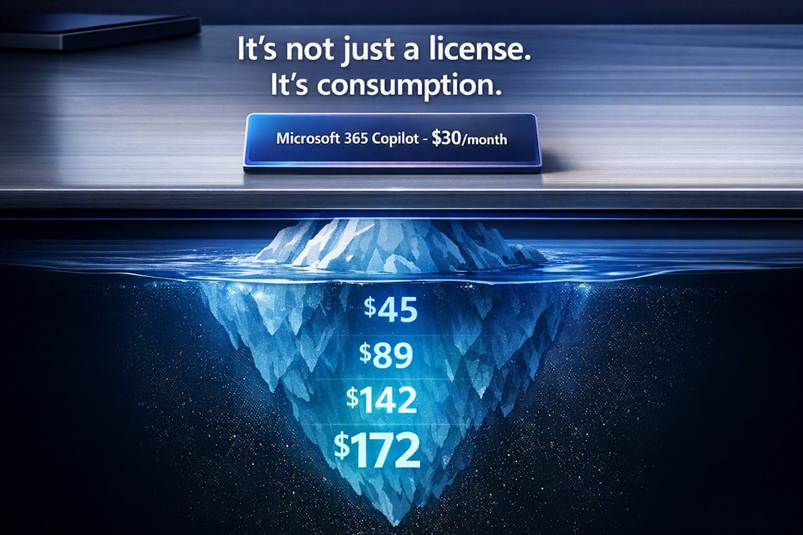
If you are still looking at Microsoft Copilot only as a $30-per-month license, you are officially missing the point. With Copilot Cowork, Microsoft introduces a completely new economic model: one based on actual consumption.
And that changes everything.
What is Copilot Cowork, really?
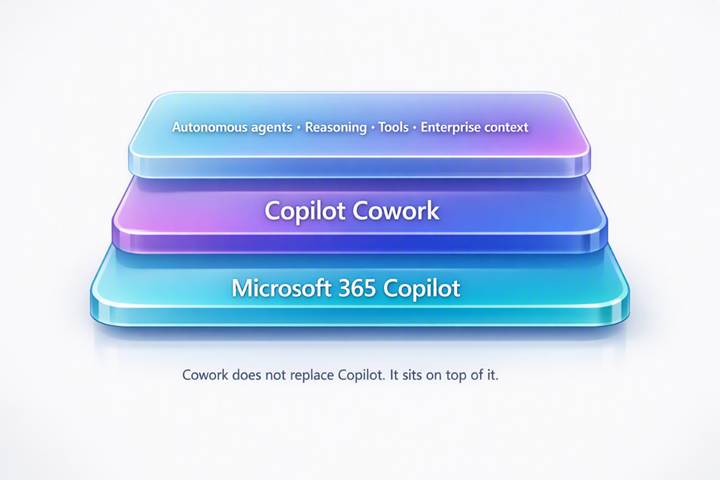
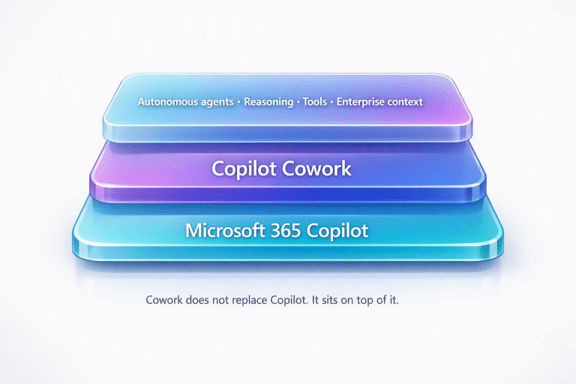
Copilot Cowork is not “just another feature”.
It is a premium layer on top of Microsoft 365 Copilot that turns AI into an autonomous operational agent capable of:
- working across multiple applications at the same time
- analyzing real business context
- building complex outputs such as slides, analyses, roadmaps, and more
👉 But be careful: it does not exist on its own. You still need the base Copilot license at $30 per user per month.
The real paradigm shift: you pay for what you use
This is the part many companies are underestimating.
Copilot Cowork introduces a 100% consumption-based model built around credits:
- 1 credit = $0.01
- 100 credits = $1
It sounds simple. In reality, it is a much more complex system than it appears.
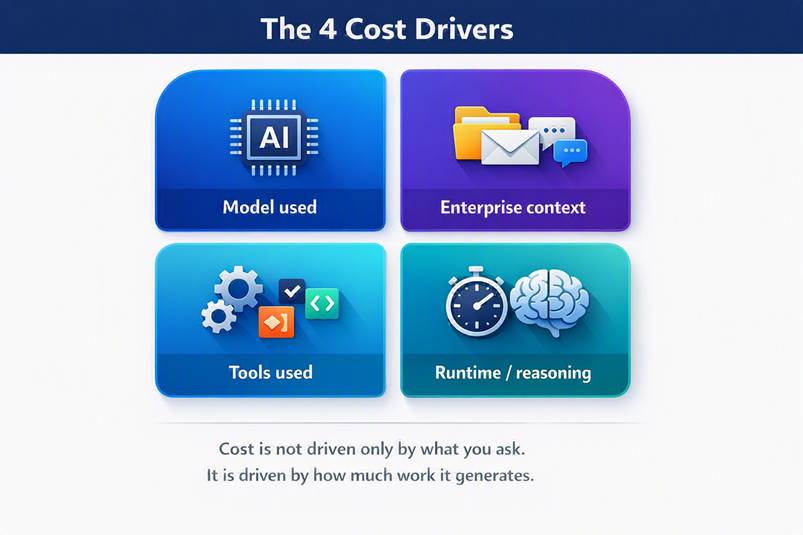
The 4 factors that determine cost — spoiler: it is not the prompt
Every interaction with Copilot Cowork is evaluated across four fundamental dimensions:
1. Model used
You are using premium models, such as Claude Opus or advanced GPT models.
👉 More power means higher cost.
2. Business context
How much data does it need to read?
Email, SharePoint files, Teams chats.
👉 More context means more consumption.
3. Tools used
How many things are you asking it to do?
Create slides, generate Excel files, build charts.
👉 More actions mean higher cost.
4. Reasoning time — runtime
This is the real hidden point.
You are not only paying for execution.
You are paying for the AI’s “thinking”.
👉 Complex analysis can make costs grow quickly.
How much does it really cost? Concrete numbers
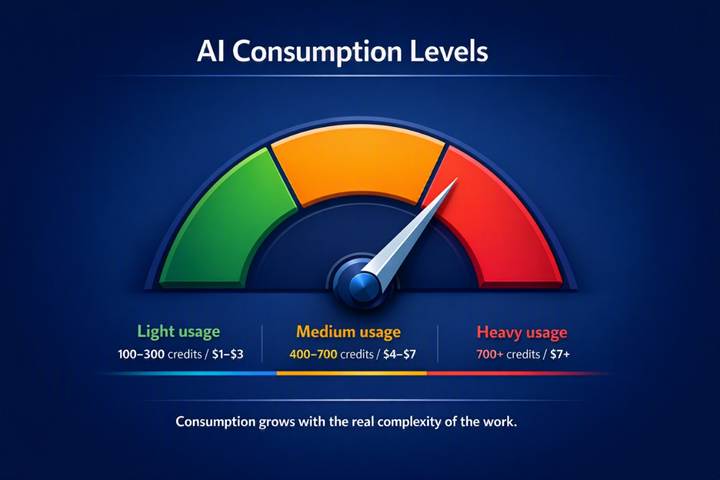
Microsoft, through real-world analysis, divides usage into three levels:
Light usage
100–300 credits → $1–$3
Simple tasks such as text or basic slides.
Medium usage
400–700 credits → $4–$7
Multi-source analysis plus iterations.
Heavy usage
700+ credits → $7+
Advanced reasoning plus multiple hidden tasks.
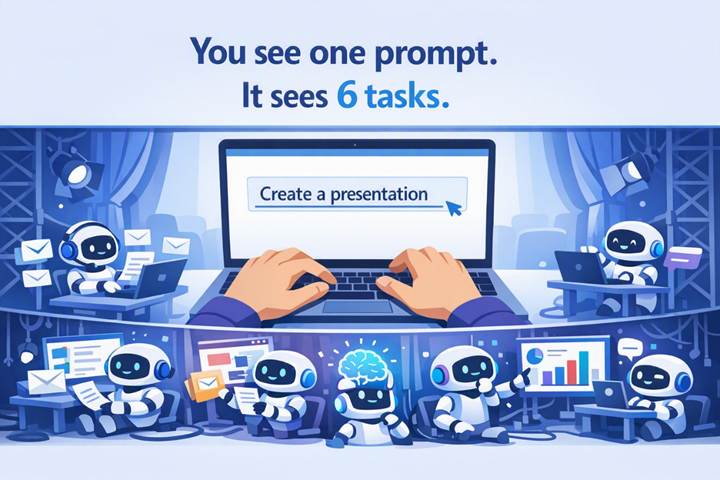
👉 A single prompt can contain six hidden tasks. That is where the cost explodes.
The number that really matters — and scares companies
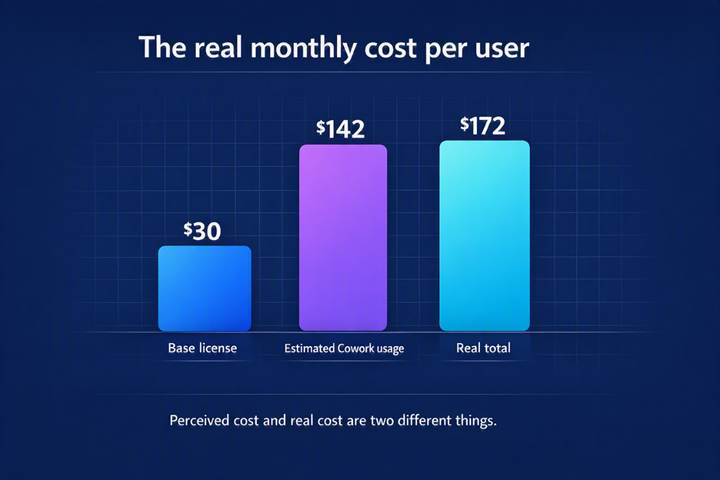
Average company profile:
- 22 light tasks
- 11 medium tasks
- 5 heavy tasks
👉 Total: ~$142 per month per user.
👉 Now add the base license: $172 per user per month in real cost.
The truth few people are saying
This is no longer just a tool.
It is a new variable IT cost line.
And if it is not governed:
- the budget becomes unpredictable
- costs scale quickly
- ROI becomes difficult to measure
The new required skill: Cost Awareness
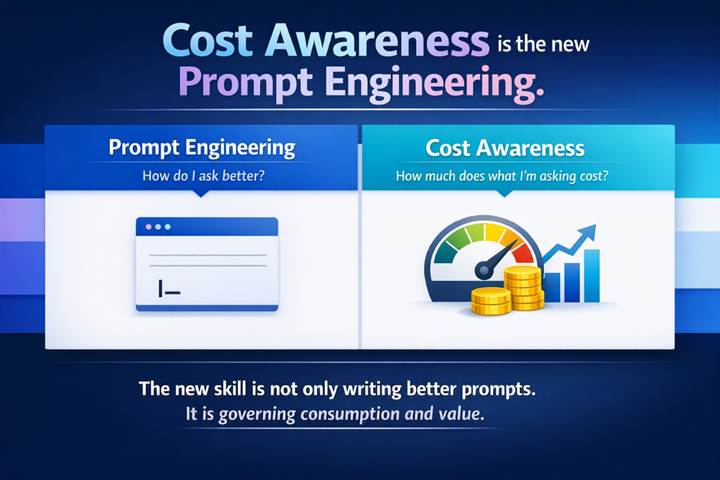
👉 With Copilot Cowork, a new competence emerges: knowing how to use AI in an economically efficient way.
Knowing how to write prompts is no longer enough.
You need to know:
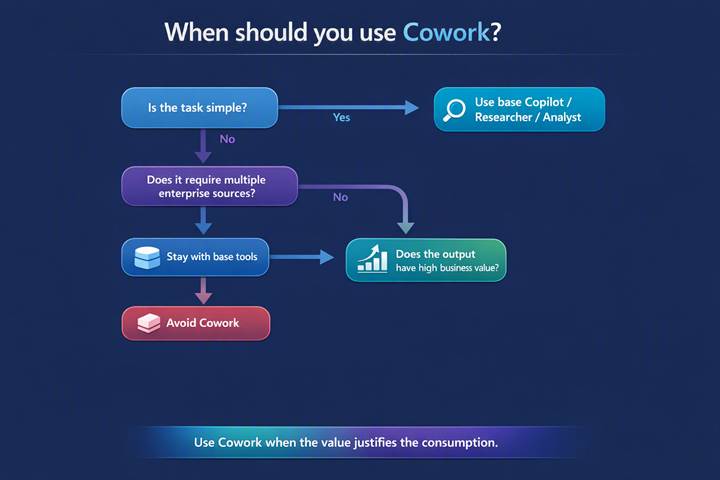
- when to use Cowork
- when not to use it
- how to structure requests
How to optimize immediately — no theory
Always check the cost
Use the /cost function to see how much you have spent directly in chat.
Avoid “heavy” files
Do not upload templates full of metadata. It is better to describe the style in text.
Use the base agents first
Researcher and Analyst are already included. Try there first; if they fail, then move to Cowork.
Reduce unnecessary iterations
Every follow-up has a cost. It is better to write one well-structured prompt from the start.
A key point: all of this is already unstable
👉 This model is not static.
Microsoft is already working on:
- cost optimization
- new models
- a more efficient Cowork v1
This means that what costs €5 today could cost €2 tomorrow — or €10.
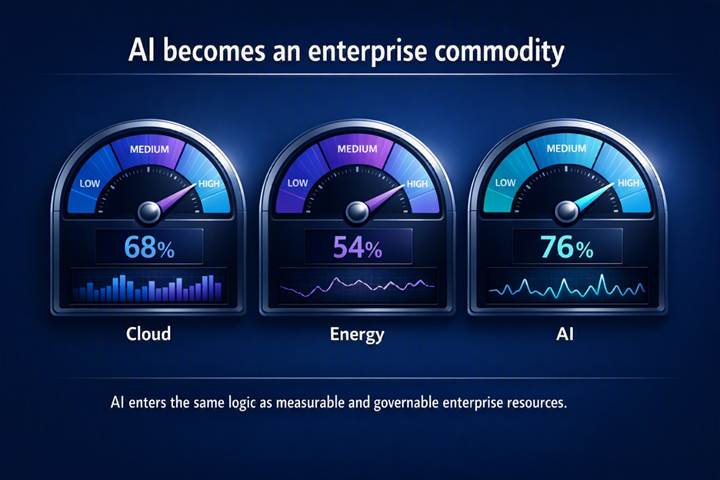
Copilot Cowork is the first true enterprise example of AI as a consumable resource.
Not licenses. Not users. Consumption.
And this brings a major cultural shift:
- AI becomes a commodity
- costs become dynamic
- efficiency becomes competitive
Conclusion
If you take away only one thing, make it this:
You are not adopting Copilot. You are introducing a new economic model into the company.
And as always happens: whoever understands the model first, wins.
Boom, done 💣!
Follow me:


Leave a Reply